When Beauty Backfires in Crowdsourced Products
In traditional advertising, attractiveness persuades. In crowdsourcing, it can break the very signal that makes a product appealing — that it was designed by someone like you.
We tend to assume a simple rule in marketing: attractive people make ads more persuasive. So when we started studying how to promote crowdsourced products — those “designed by consumers” — we expected the same logic to apply. It didn’t.
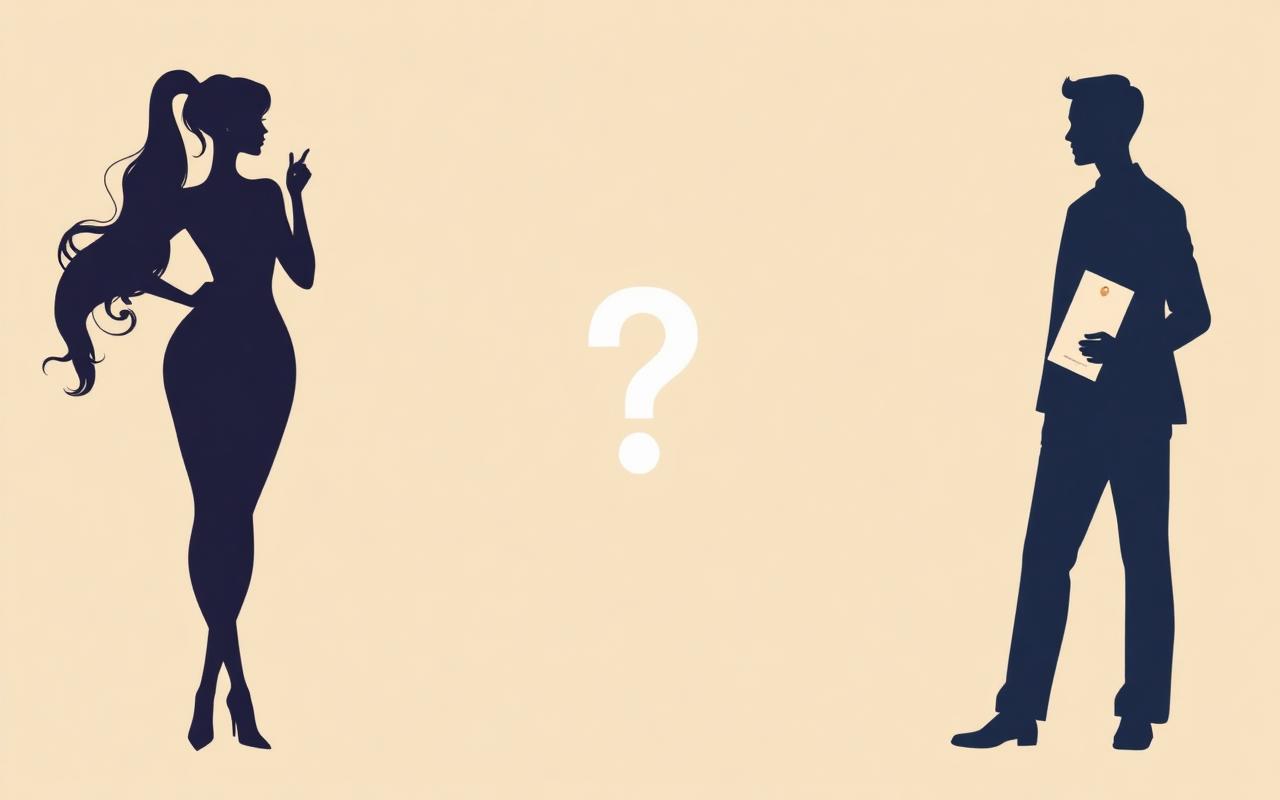
Across five experiments, a consistent pattern emerged: attractive co-creators seem less authentic. People question whether they are real consumers or just models, and that skepticism reduces persuasion. They also feel less similar to the viewer, weakening the core benefit of crowdsourcing. In some cases, showing an attractive co-creator performed worse than showing no image at all.
What makes this especially interesting is that it is context-specific. The same attractive person works fine in a standard ad but backfires in a crowdsourced ad — because only there does attractiveness trigger doubts about authenticity.
Practical takeaways: don't assume attractiveness helps in crowdsourced campaigns; if the co-creator is highly attractive, consider not showing them, or style them to look more everyday; focus on authenticity and relatability, not polish. When the story is “designed by someone like you,” credibility beats beauty.
Based onCambier, F., Darke, P. R., & Poncin, I. (2025). Journal of Product Innovation Management, 42(4), 679–703.
Loading comments…